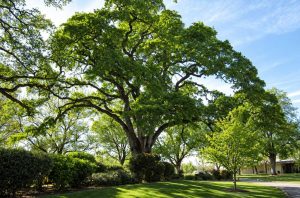
Planting season is here, and one of our partners in the wider Pennsylvania conservation community is giving away trees by the thousands. Pennsylvania Interfaith Power and Light is distributing free native trees across the state this fall, and for watershed groups that is not just a nice gesture. A native tree in the right place is one of the most effective pieces of green infrastructure we have.
What is happening this fall
The program is called Roots, Branches, and Hands, a multifaith partnership effort to expand tree equity across Pennsylvania. This season alone, the organization and its network of community partners and volunteers plan to put a large number of native trees into the ground, spread across dozens of counties.
This is not a first attempt. The effort builds on years of native planting in Pennsylvania, including a predecessor program that helped put roughly a quarter of a million native trees and shrubs into the ground and reached the great majority of the state’s counties. Roots, Branches, and Hands carries that work forward with a sharper focus on tree equity, the idea that the neighborhoods hit hardest by heat, flooding, and legacy pollution are often the ones with the fewest trees, and that closing that gap is a matter of fairness as much as forestry.
Why a watershed group should care about trees
Trees and clean water are the same project. A tree planted along a stream, or anywhere in a watershed, quietly does a long list of the exact jobs a watershed group spends its year trying to fund:
- Slows runoff. Leaves and roots intercept rain and let it soak in slowly, instead of rushing off pavement and bare ground into the nearest creek.
- Filters pollution. A streamside band of trees, a riparian buffer, traps sediment, nutrients, and other pollutants before they reach the water.
- Cools the water. Shade over a stream keeps temperatures down, which is the difference between a creek that holds trout and one that does not.
- Holds the banks. Roots stabilize streambanks and reduce the erosion that muddies water and undercuts property.
- Recharges groundwater. Water that soaks in rather than running off refills the aquifers and keeps streams flowing in dry months.
In other words, free native trees are a chance to do watershed restoration at the cost of a Saturday morning. For a group planning a riparian buffer, a church lawn, a school ground, or a stretch of streambank, this program is a ready source of the plant material.
New planting resources
Getting a tree in the ground is easy to do poorly and not much harder to do well. Pennsylvania Interfaith Power and Light has published a set of planting resources covering how to choose the right tree for a site, how to plant it, how to care for it in its first seasons, and what each of the offered native species actually needs. If your group is organizing a planting, it is worth a look before the shovels come out.
Check Out the Tree Planting Guide
They need volunteers
Ten thousand trees do not move themselves. The organization is looking for volunteers to help unload trees, sort and tag them by species, deliver trees to planters who cannot pick them up, and support the community plantings themselves. For anyone in our network who wants hands-in-the-dirt conservation work this fall, this is a straightforward way to help, and a good way to meet the people planting in your own county.
An event to put on your calendar
Alongside the distributions, the organization is hosting and taking part in a number of events this season, both online and in person. One worth flagging is a virtual gathering on tree equity.
Canopy Calling: Tree Equity from the Roots Up
The evening includes stories from community forestry efforts around the state and a call to action to sign on to. It is a good primer for any watershed group thinking about how tree equity fits into its own work.
Details from Pennsylvania Interfaith Power and Light’s fall Roots, Branches, and Hands announcement. This-season figures (10,000 trees, 30 counties, 20 distributions, and 65 or more planting projects) are as reported by the organization. Program background from PA IPL’s PA Plants Native pages and public reporting on the Roots, Branches, and Hands launch.