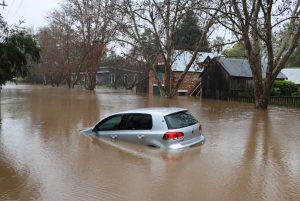
DCNR unveiled a 182 page Climate Action Plan on November 10, and for an agency best known for state parks and forests, it has a lot to say about water. The plan names increased flooding and harmful algal blooms as climate effects Pennsylvania is already living with, and it commits the department to 60 measurable goals through 2050, backed by annual progress reports.
Secretary Cindy Adams Dunn released DCNR’s Climate Action Plan on November 10 at the Mira Lloyd Dock Resource Conservation Center. It sets 60 measurable goals and 49 bureau-led actions, including an 80 percent cut in agency emissions by 2050 and carbon-free electricity by 2035, and it delivers a department-wide climate risk assessment with regional projections that watershed groups can cite.
What an agency plan commits to
The headline numbers are internal: cut greenhouse gas emissions from DCNR operations 80 percent by 2050, generate or offset all of the department’s electricity with carbon-free sources by 2035, and train every staff member on climate by 2030. The plan also carries the department’s first greenhouse gas inventory, updated climate projections for the state, and a department-wide climate risk assessment, with progress reported annually. Sixty goals and 49 bureau-led actions cover infrastructure, grants, operations, natural resources, and recreation.
“Pennsylvania’s state parks and forests are among our greatest natural resources.”
Cindy Adams Dunn, Secretary, Pennsylvania DCNR
The water running through it
The plan’s water content is mostly indirect, and still useful. It names flooding and harmful algal blooms among the climate effects already here. It commits to rebuilding trails and recreation infrastructure to handle heavier storms, points to the rebuilt Delaware Canal aqueduct engineered for future flood events as the pattern, and promises forestry guidance written to protect water resources. The risk assessment and regional projections are meant to help communities identify flood and landslide exposure, which puts state-sanctioned numbers behind arguments watershed groups have been making from their own gauge data for years.
The full Climate Action Plan, including DCNR’s first greenhouse gas inventory and a department-wide climate risk assessment.
Where the grant money touches this
DCNR’s Community Conservation Partnership Program puts millions each year into parks, trails, and recreation projects, with a recent round of $81 million statewide, and the administration counts about $315 million across more than 1,100 projects since 2023. The new plan threads climate resilience through those grant programs, which matters to any group that writes riparian buffer, trail, or access projects into C2P2 applications. A proposal that cites the plan’s own risk assessment and flood language is speaking the reviewer’s dialect.
A citation for the next grant narrative
Most of us will never read all 182 pages, and that is fine. The working move is narrower: pull the regional projections for your county, quote the flooding and algal bloom findings in your next application or township presentation, and hold the department to the annual progress reports it just promised. An agency that publishes measurable goals has volunteered to be measured.
Reporting from the PA Environment Digest and The Allegheny Front coverage of the November 10, 2026 release of the DCNR Climate Action Plan. Current as of November 13, 2026.