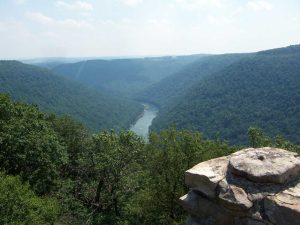
The headwaters of the Cheat, the Tygart, and a good share of the Monongahela’s cleanest tributaries rise in roadless backcountry of the Monongahela National Forest. The federal rule that has kept roads and logging out of that country since 2001 is proposed for rescission, and the comment period has been extended through October 6.
The comment period on the federal proposal to rescind the Roadless Area Conservation Rule has been extended through October 6, 2026. WV Rivers Coalition issued a fresh action alert on September 24 and is aiming to gather 3,000 West Virginians on its petition to keep protections in place for roadless areas in the Monongahela National Forest.
A forest rule that is really a water rule
The 2001 Roadless Rule bars most road construction and commercial logging in inventoried roadless areas of the national forests. It gets described as a wilderness issue, but in this basin it functions as source water protection. Roadless watersheds in the Monongahela National Forest feed the headwater streams of the Cheat and Tygart Valley rivers, which in turn feed the Monongahela and, eventually, the taps of communities from Fairmont to Pittsburgh.
The connection is not abstract. Forest roads are a leading source of sediment in mountain streams, and every cut slope and culvert is a new path for mud to reach water that currently runs clear. The native brook trout streams that anglers drive hours to reach are disproportionately the ones behind a locked gate or no gate at all.
The extended deadline for public comments on the proposed rescission of the Roadless Rule.
What is on the table
The federal proposal would rescind the rule outright, returning decisions about road building and timber sales in roadless areas to individual forest plans. Supporters of rescission argue for local control and fire management flexibility. Opponents, including WV Rivers, point out that West Virginia’s roadless areas were not the problem the proposal claims to solve, and that once a road goes in, the sediment, the invasives, and the maintenance bill come with it, permanently.
WV Rivers put out an updated action alert on September 24 and set a goal of 3,000 West Virginians signing on before the comment window closes. Comments from Pennsylvania and Ohio residents count too; the rule is national, and downstream is downstream.
Why it matters for the rest of us
Most of the water work our network does is repair: treating mine drainage, replanting banks, undoing damage someone else walked away from. Roadless protection is the rare chance to work on the other end of the problem, keeping intact watersheds intact, which costs nothing and needs no maintenance. A comment takes ten minutes. The headwaters have been holding up their end of the deal since before any of us got here; October 6 is our turn.
Based on the WV Rivers Coalition action alert of September 24, 2026, the coalition’s September 2026 newsletter, and the federal proposal to rescind the 2001 Roadless Area Conservation Rule. Current as of September 25, 2026.