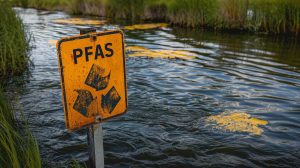
EPA has quietly withdrawn the guidance that told states how to keep PFAS out of rivers before those rivers reach a drinking water intake. For a basin where whole cities drink from the Ohio, the Allegheny, and the Monongahela, the upstream backstop just got thinner.
EPA has rescinded Biden-era guidance, including a 2022 memo, that encouraged states to use Clean Water Act discharge permits to limit PFAS at the source. An agency memo dated August 11, 2026 flagged the documents for rescission, and the news surfaced in reporting the week of September 21. No comment period comes with a guidance withdrawal; the change is already in effect.
What was withdrawn
The centerpiece was a 2022 memo from EPA’s Office of Water that urged states to use their existing Clean Water Act authority, specifically the NPDES permits that govern what industrial and municipal facilities may discharge, to set PFAS limits, require monitoring, and report results. The idea was straightforward: it is cheaper and fairer to stop forever chemicals at the pipe than to make every downstream water utility filter them out.
According to reporting in The New Lede, an EPA memo dated August 11 identified the documents as appropriate for rescission, saying agency guidance should reflect existing law, regulations, executive orders, and current policies. The withdrawal drew no announcement. It came to light through advocacy groups and trade press in late September.
What it does and does not change
Guidance is not regulation, and states never lost the underlying legal authority. Pennsylvania, West Virginia, and Ohio can still write PFAS conditions into discharge permits if they choose. What changed is the signal. State permit writers no longer have a federal document at their back when a discharger pushes back on a PFAS limit, and states that were reluctant to act now have cover to keep waiting.
The move lands alongside EPA’s separate proposals to rescind parts of the PFAS drinking water standards and extend compliance deadlines for PFOA and PFOS, which together shift the burden of dealing with forever chemicals downstream, onto utilities and ratepayers.
People who get their drinking water from the Ohio River, the largest of the intakes sitting downstream of every PFAS discharge in the basin.
The view from the Upper Ohio
This basin knows the source-control argument better than most. Three Rivers Waterkeeper has fought PFAS discharge permits on the Ohio, and the Chemours settlement announced in July, with its $450 million price tag and required discharge cuts, showed that pressure at the pipe works. Our region’s recent wins came from exactly the approach the withdrawn guidance encouraged. Those tools still exist, but the push to use them will now have to come from states, and from us, rather than from Washington.
Why it matters for the rest of us
Watershed groups are the ones who read the permit notices, and that job just got more important. When a discharge permit in your watershed comes up for renewal, whether it includes PFAS monitoring and limits is now, more than ever, a question the public record has to raise. Nobody in Washington is going to ask it for us. The comment box is still open, even when the guidance is gone.
Based on reporting by Julie Zenderoudi in The New Lede, republished by the PFAS Project Lab on September 21, 2026, a statement from the Southern Environmental Law Center, and EPA rulemaking records. The Ohio River drinking water figure is from ORSANCO. Current as of September 25, 2026.