Some water problems announce themselves. Nitrate pollution is not one of them. You cannot see it, smell it, or taste it, but it is one of the most widespread threats to clean water in our region, and it is exactly the kind of problem that gets easier to tackle when more people are paying attention.
That is the idea behind Nitrate Pollution Awareness Week, running July 26 to August 1, 2026. The week is organized by the Izaak Walton League of America, one of the national partners H2O has connected with, and we are proud to help spread the word across the Upper Ohio River Basin.
A week of free training
The League is hosting a webinar every day of the week, covering how nitrates affect your water, your health, and your community, along with what you can do about it. We are featuring these sessions as this month’s training for the H2O network, so whether you are with a community watershed group, a conservation district, or just curious about what is in your water, there is a seat for you. You can sign up through the League’s awareness week page.
Why nitrate matters here
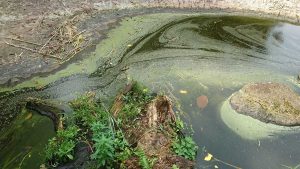
Nitrate is a nutrient that plants need, but too much of it ends up in our streams, rivers, and drinking water, mostly through agricultural and residential runoff. That makes it a real concern across the rural and farm-heavy watersheds of Pennsylvania, Ohio, West Virginia, and Maryland. In waterways, excess nitrate fuels algae blooms and fish kills. In drinking water, it carries health risks that fall hardest on infants and on families relying on private wells. And because you cannot detect it without a test, a lot of nitrate pollution goes unnoticed.
Test your own water
This is where it gets hands-on. Through the League’s Nitrate Watch program, you can request a free test kit (while supplies last) with everything you need to check nitrate levels in a nearby stream or your own tap. A reading takes about 30 seconds, and your results go into a public database called the Clean Water Hub, where they help map pollution hotspots that no one else is tracking. For our smaller community watershed organizations, it is a low-cost, low-barrier way to start building a real monitoring record.
Three ways to take part
- Learn. Sign up for the daily webinars during the week of July 26.
- Monitor. Request a free Nitrate Watch kit and test the water near you.
- Advocate. Share your results and speak up for solutions that reduce nutrient pollution.
Clean and affordable water starts with knowing what is actually in it. Spend a little time with us during the last week of July, and you will come away knowing more about your water than most people ever do.